


How to Wear a Sauna Hat: When to Put It On and Take It Off
Put a sauna hat on dry, before you walk in, with the brim down over your ears. Wear it for the whole round. Take it off when you leave to cool down, hang it up, and put it back on before the next round. That's the routine. Everything below is the reasoning, plus the adjustments for steam rooms, infrared and cold plunges.
The 10-second version
- Hat on, dry, before you enter.
- Brim down. Ears covered.
- Wear it the entire time you're in the heat.
- Off when you step out to cool down.
- Hang it. Back on for the next round.
- After the last round, hang it to dry fully before it goes in a bag.
Dry or wet?
Dry. This is the most common question and the internet is split on it, so here's the reasoning.
A wool felt hat works by trapping still air in the fibres. That air is the insulation. Soaking the hat first fills those air pockets with water, and water conducts heat roughly 25 times better than air [1]. A wet hat starts out cooler on your head because of evaporation, but within a few minutes it's a warm, wet layer conducting bench-height heat straight to your scalp. A dry hat keeps its loft, keeps its air, and keeps insulating as it gradually takes on sweat. Wool can absorb up to 30% of its weight in moisture vapour before it even feels wet [2], so it stays effective for the full round.
The wet-hat habit comes from Russian banya, where the air is wetter, temperatures can spike above 100°C when water hits the stove, and a damp hat gives a short burst of evaporative cooling for a very hot, very short round. If you're doing a proper banya with venik, a lightly damp hat is traditional. For a Finnish-style or Australian gym sauna at 80 to 90°C with 15 to 20 minute rounds, dry wins.
Brim up or down?
Down. Covering your ears matters more than people expect. The air at head height in a traditional sauna is the hottest in the room [3], and ears have almost no insulating tissue. They're the part of your head that reads "too hot" first and they're what a cocked brim leaves exposed. Brim down also seals the hat against your head so hot air isn't circulating in under the edge.
Brim up is fine for infrared, where the air is mild, and it looks better in photos. In a hot room it costs you minutes.
In a traditional sauna
Standard routine, hat on dry before you enter. If you're doing löyly (throwing water on the stones), the humidity spike is where a hat earns its keep most, because that burst of steam is what sends most people for the door. Keep it on through the spike.
Between rounds, take the hat off and hang it. Your head needs to cool as much as the rest of you, and the hat dries faster on a hook than on your head.
In a steam room
Steam rooms run cooler, around 40 to 50°C, but at 100% humidity, so sweat doesn't evaporate and the heat feels sharper than the number [3]. A wool hat still helps: it keeps the steam off your hair and scalp and takes the edge off. It will get saturated, so expect to wring it gently and hang it afterwards. Don't leave it rolled in a bag wet.
In an infrared sauna
Infrared cabins sit at 45 to 60°C and heat you directly with panels rather than through the air [4]. The head-heat problem is smaller, but the panels still dry out hair and scalp, and sessions run longer, often 20 to 30 minutes. Hat on, brim can be up or down. Many infrared users wear it purely for hair protection.
Cold plunge and between rounds
Hat off before the plunge. Wet wool felt in cold water and then back into 90°C air is the one thing that will shorten its life, and you want your head in the cold anyway, that's the point of the contrast. Hang the hat while you plunge, dry your hair roughly, hat back on, back in.
If you do contrast in a cool room rather than water, same thing: hat off, let your head breathe, hat on before you go back into the heat.
After the session
Hang it by the loop somewhere with airflow. Not in a bag, not on a heater, not in direct sun. Wool felt dries on its own within a few hours and doesn't need washing, because wool is naturally resistant to odour-causing bacteria [2]. That's it. The two rules that matter are never machine wash and never apply direct heat. The full care guide has the details.
What you'll notice
Most people report the same thing in the first week: the round that used to end at seven or eight minutes ends when you decide it ends. Your head stops being the thing that calls time. In our own test, ten minutes into a 90°C session, a bare scalp read 56°C on a thermal camera and 24°C under a Halo. Nothing about the sauna changed. Only the part of you that was overheating first.
If you want the numbers on session length and what the research says about 15 to 20 minute rounds, read how long should you stay in a sauna.
Sources
- Engineering ToolBox. Thermal conductivity of common materials. engineeringtoolbox.com. (Still air approximately 0.026 W/mK; water approximately 0.6 W/mK.)
- The Woolmark Company. The science of wool: moisture management and odour resistance. woolmark.com.
- Hannuksela ML, Ellahham S. Benefits and risks of sauna bathing. American Journal of Medicine. 2001;110(2):118-126.
- Beever R. Far-infrared saunas for treatment of cardiovascular risk factors: summary of published evidence. Canadian Family Physician. 2009;55(7):691-696.
Written by Liam Connors, founder of Halo. About Halo.
Featured product
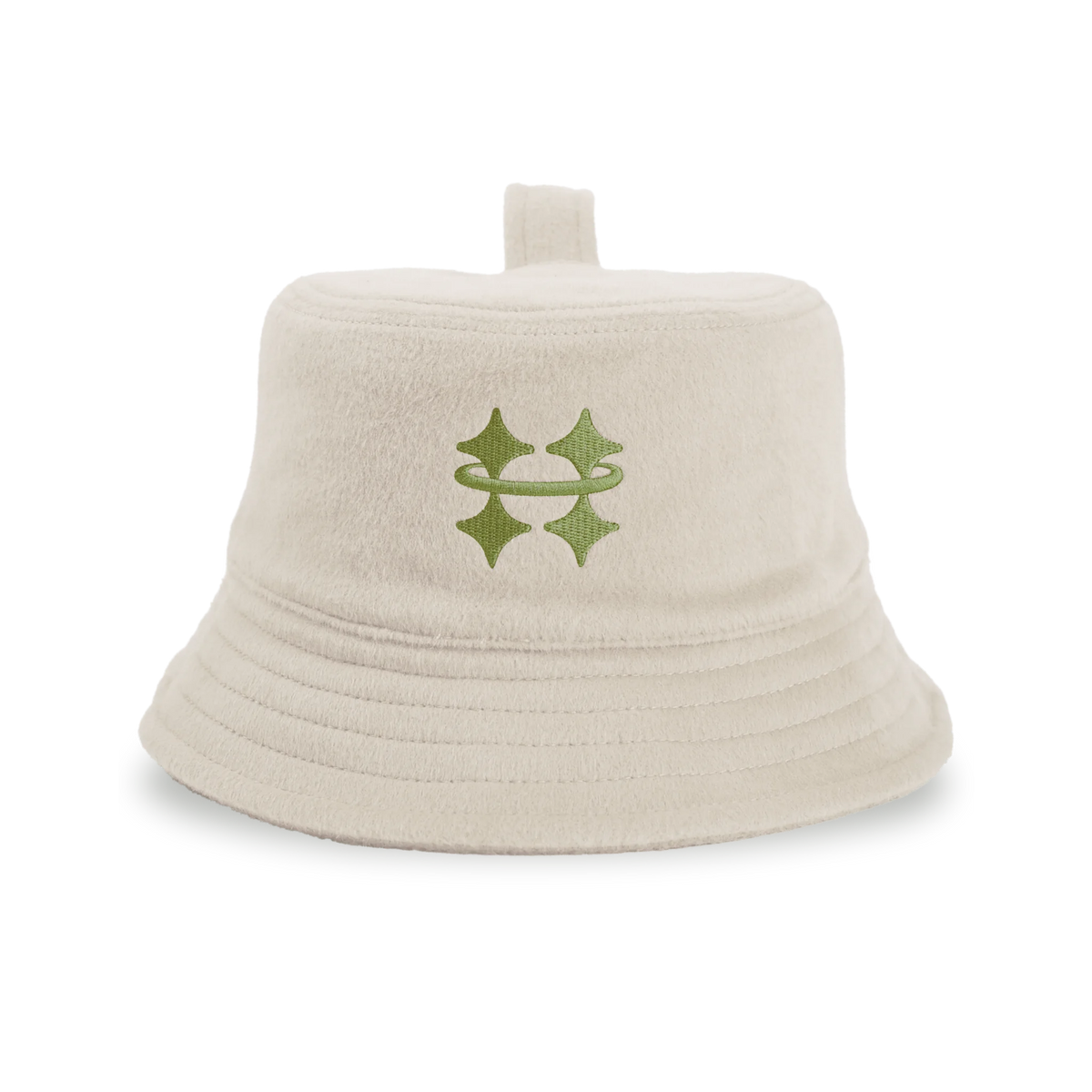
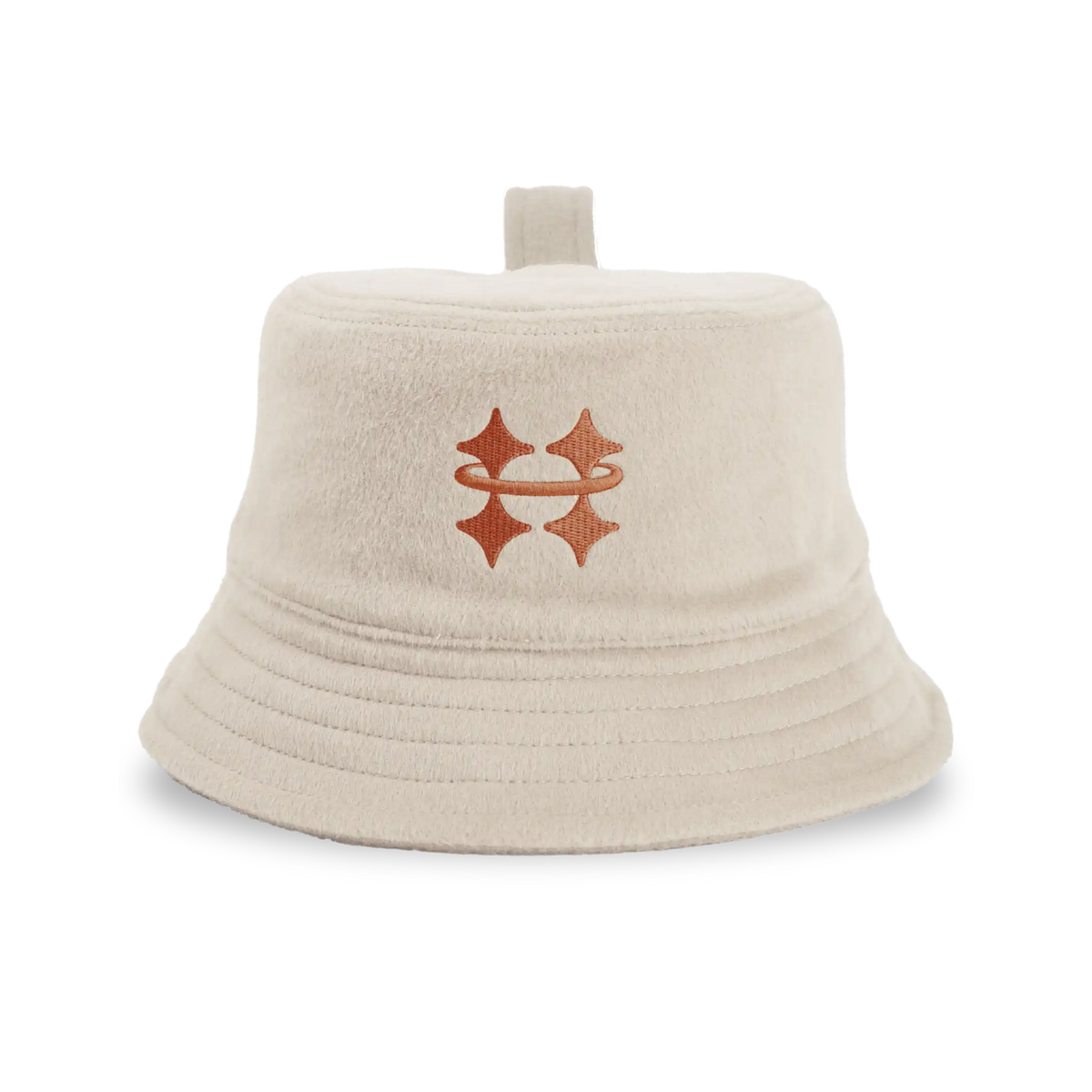


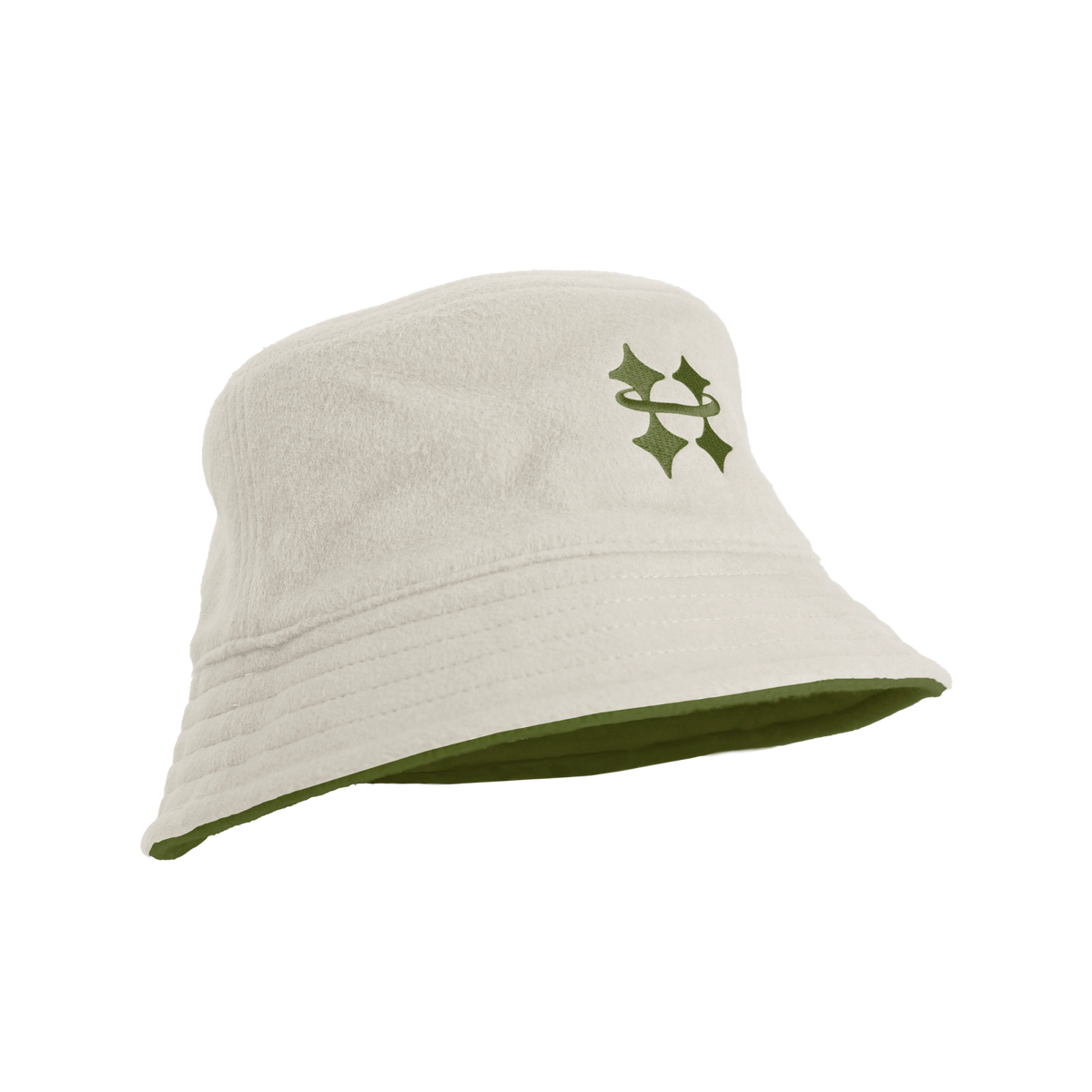
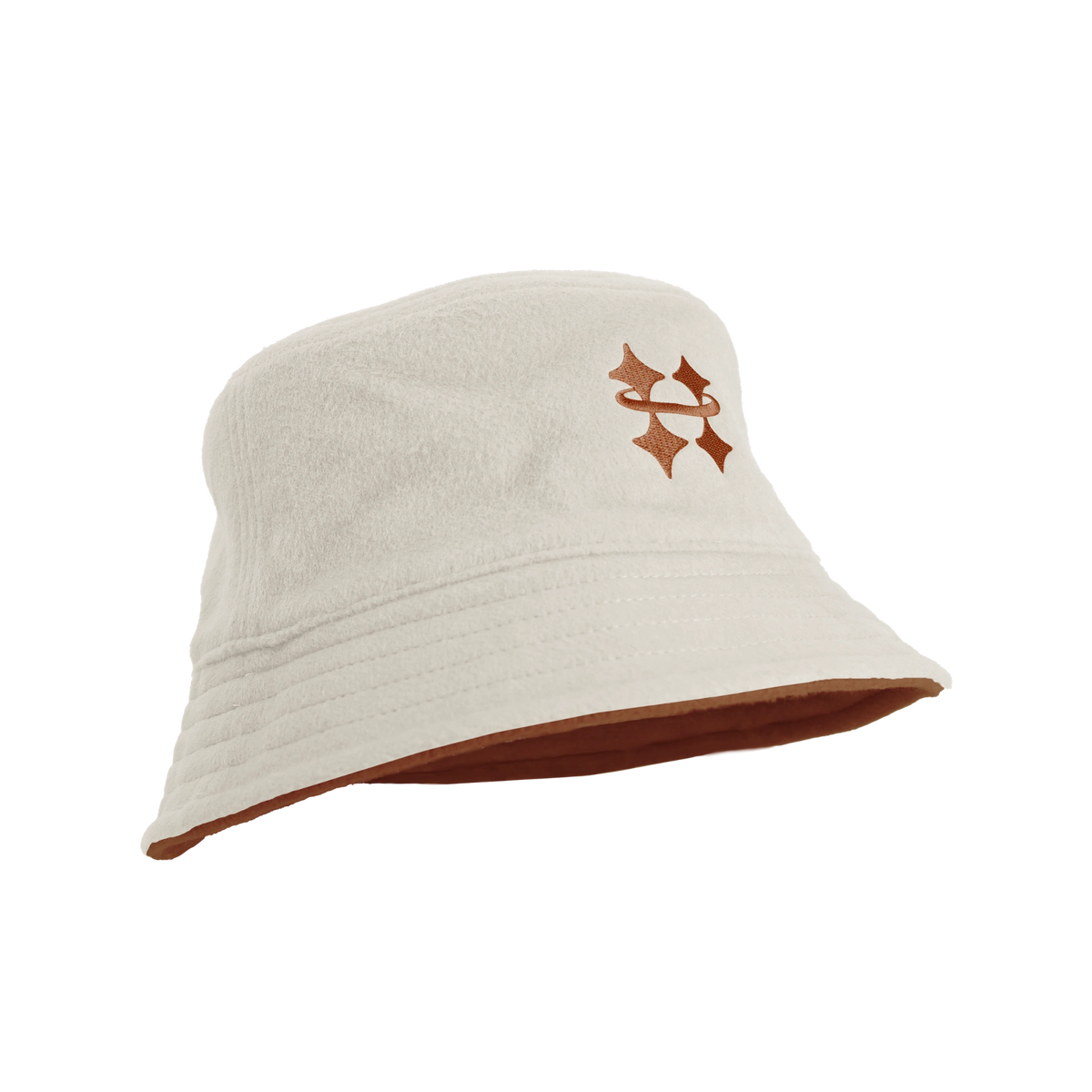

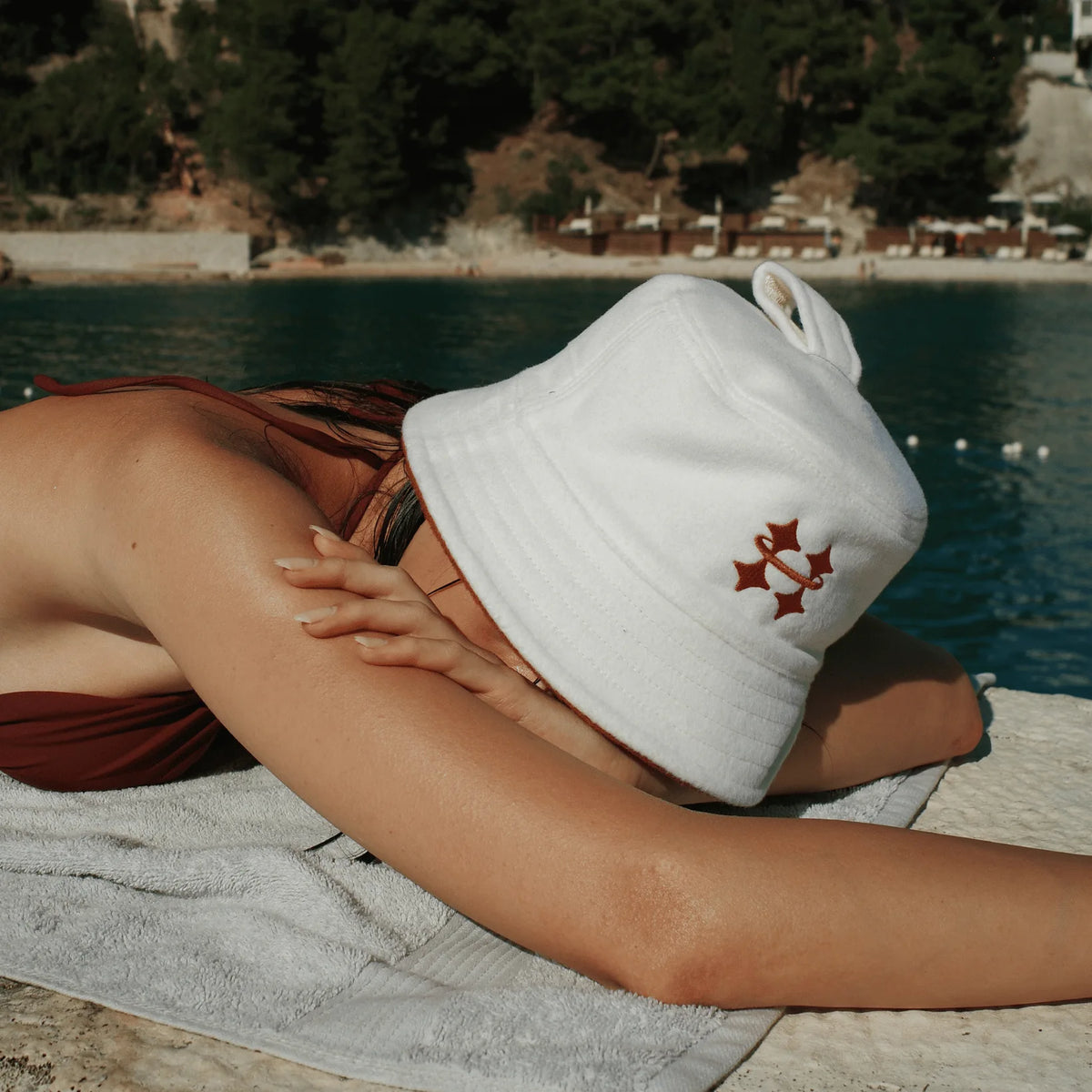
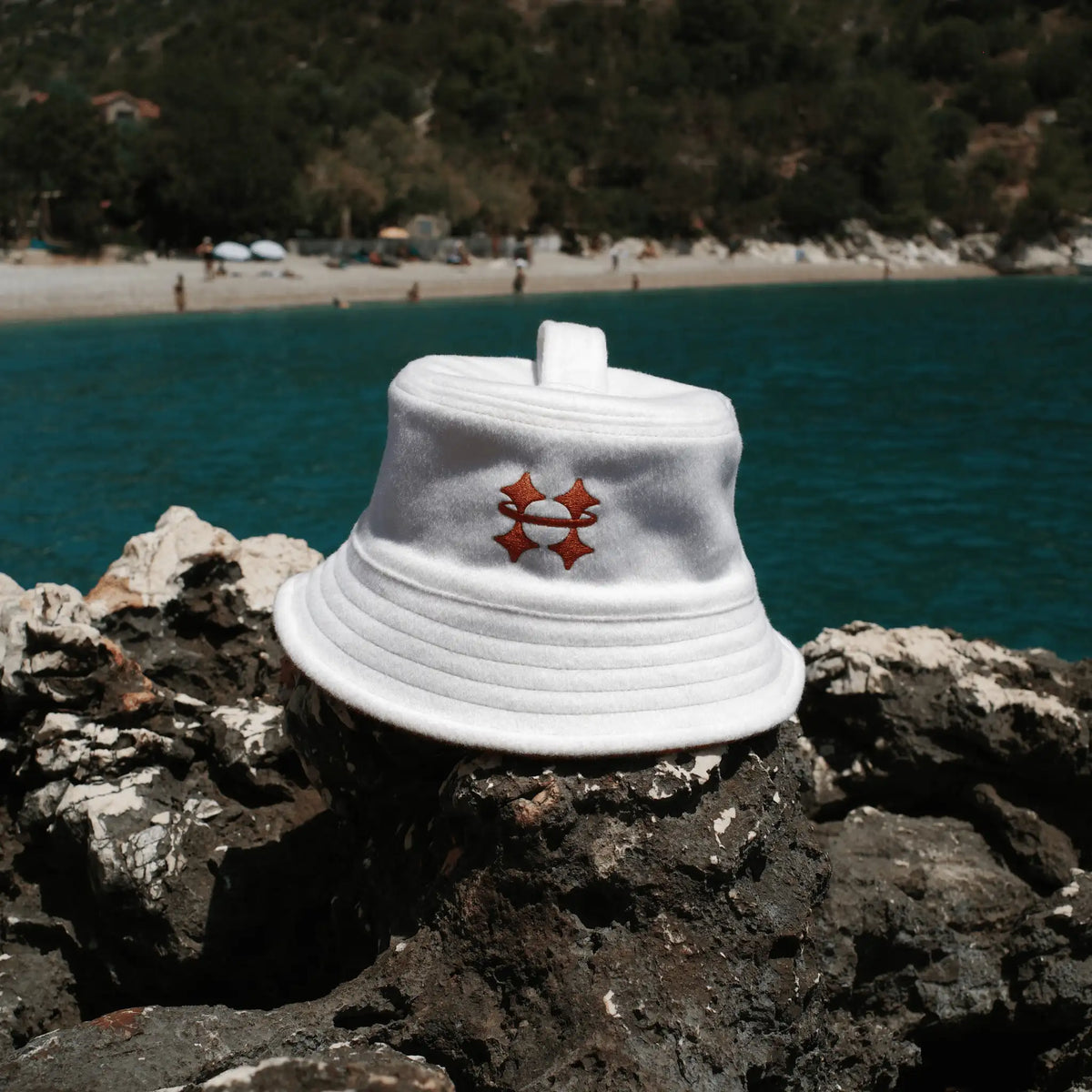

Designed for comfortable, long-lasting sauna sessions. Made from the highest quality Australian wool felt, the Halo sauna hat insulates your head from heat, dries quickly and is naturally antibacterial. No washing required.
Featuring a unique concealable top loop to hang your hat, you can now go from traditional sauna cap to stylish bucket hat in seconds. From sauna (dry & infrared) to beach, or anywhere you can get a sweat on. Just put it on and watch it transform your routine for good.

Leave a comment
This site is protected by hCaptcha and the hCaptcha Privacy Policy and Terms of Service apply.