


How Long Should You Stay in a Sauna? A Practical Guide
Most people should stay in a sauna for 10 to 20 minutes per round. Beginners start at 5 to 10 minutes, regular users sit for 15 to 20, and nobody should push past the point where they feel dizzy, nauseous or their heart is racing. That's the short answer. The rest of this guide explains where those numbers come from, why most people leave well before them, and how to stay in longer without doing anything stupid.
The short answer, by experience level
| Experience | Per round | Rounds | Notes |
|---|---|---|---|
| First few sessions | 5 to 10 min | 1 to 2 | Lower bench, get out early, see how you feel after |
| Regular (weekly) | 10 to 15 min | 2 to 3 | Cool down fully between rounds |
| Experienced (several times a week) | 15 to 20 min | 2 to 3 | This is the range the Finnish research was done on |
| Anyone, any level | Stop immediately | Dizziness, nausea, headache, racing heart, confusion |
These are guides, not targets. The right length is the one where you leave feeling better than you went in.
By sauna type and temperature
Hotter rooms mean shorter rounds.
Traditional Finnish sauna (80 to 100°C, low humidity). The classic. The Finnish Sauna Society describes typical sessions as several rounds of 10 to 20 minutes with cooling in between [1]. This is where the head-heat problem is worst, because the hottest air in the room sits exactly where your head is.
Steam room (40 to 50°C, near 100% humidity). Cooler on the thermometer but feels harsh because sweat can't evaporate. 10 to 15 minutes is plenty for most people.
Infrared (45 to 60°C). The air is mild and the panels heat you directly, so rounds run longer, typically 20 to 30 minutes. Reviews of infrared sauna studies note this longer exposure is part of how they're used clinically [2].
What the Finnish studies actually measured
The research most people quote comes from the Kuopio Ischaemic Heart Disease study, which followed 2,315 Finnish men for around 20 years. Compared with men who used the sauna once a week, those who went four to seven times a week had a 40% lower risk of death from any cause over the follow-up period. The same study looked at session length: men whose rounds lasted more than 19 minutes had a lower risk of sudden cardiac death than men who stayed less than 11 minutes [3].
Later papers from the same cohort found lower rates of hypertension [4], dementia and Alzheimer's disease [5], and respiratory disease [6] among frequent users. A 2018 review in Mayo Clinic Proceedings summarises the lot [7], and a separate systematic review by Australian researchers Hussain and Cohen covers dry sauna effects across 40 studies [8].
Two caveats. These are observational studies, so they show association, not proof of cause. And the sessions that produced the numbers were 15 to 20 minutes at Finnish temperatures, done consistently for years. Consistency is the real variable.
Why most people leave before the benefits start
Ask anyone who tried sauna and gave up and they'll say the same thing: they lasted five minutes and felt awful.
That's your head, not your body. Hot air rises, so at head height a traditional sauna is 20 to 40°C hotter than at floor level [9]. And your head is the part of you most sensitive to heat. Research on regional thermal sensitivity shows the face and head report warmth more strongly than the torso or limbs for the same temperature [10]. So your head hits "too hot" long before your core has warmed the one to two degrees that sauna physiology is built on [9].
That's the whole reason sauna hats exist. Wool felt insulates your head so it warms at the same pace as the rest of you. In our own test, ten minutes into a 90°C session, a thermal camera read the scalp at 56°C bare and 24°C under a Halo sauna hat. The body is doing exactly the same work either way. The difference is whether you're still in the room.
How to stay in longer, safely
- Hydrate before, not during. A single session can cost half a litre or more in sweat [11]. Drink water beforehand and again between rounds.
- Start low. The lower bench can be 20°C cooler than the top. Move up as you adapt.
- Protect your head. A wool sauna hat is the single biggest change most people notice. It's not comfort for its own sake; it's what lets you reach the 15 to 20 minute range.
- Cool down properly between rounds. Cold shower, cold plunge, or just sit outside. Let your heart rate settle before going back in.
- Build up over weeks. Add a couple of minutes per session, not per round.
- Never drink alcohol before or during. Finnish forensic data on sauna deaths found alcohol involved in the large majority of cases [12]. This is the one rule with no flexibility.
When to get out immediately
Dizziness, nausea, headache, a heart rate that won't settle, confusion, or feeling cold in the heat. Any of those, get out, sit down, drink water. If you're pregnant, have heart disease, low blood pressure or any condition that affects your ability to regulate temperature, talk to your doctor before you start and treat 10 minutes as a ceiling until they say otherwise.
The takeaway
Aim for 15 to 20 minutes per round if you're a regular user. Get there gradually. Keep your head cool so the rest of you can do the work. And go often, because frequency is where every one of those studies found the effect.
Read next: Science-backed benefits of sauna bathing, or the sauna hat FAQs if you're wondering whether a hat is worth it.
Sources
- Finnish Sauna Society (Suomen Saunaseura). Sauna bathing guidance and tradition. sauna.fi.
- Beever R. Far-infrared saunas for treatment of cardiovascular risk factors: summary of published evidence. Canadian Family Physician. 2009;55(7):691-696.
- Laukkanen T, Khan H, Zaccardi F, Laukkanen JA. Association between sauna bathing and fatal cardiovascular and all-cause mortality events. JAMA Internal Medicine. 2015;175(4):542-548.
- Zaccardi F, Laukkanen T, Willeit P, Kunutsor SK, Kauhanen J, Laukkanen JA. Sauna bathing and incident hypertension: a prospective cohort study. American Journal of Hypertension. 2017;30(11):1120-1125.
- Laukkanen T, Kunutsor S, Kauhanen J, Laukkanen JA. Sauna bathing is inversely associated with dementia and Alzheimer's disease in middle-aged Finnish men. Age and Ageing. 2017;46(2):245-249.
- Kunutsor SK, Laukkanen T, Laukkanen JA. Sauna bathing reduces the risk of respiratory diseases: a long-term prospective cohort study. European Journal of Epidemiology. 2017;32(12):1107-1111.
- Laukkanen JA, Laukkanen T, Kunutsor SK. Cardiovascular and other health benefits of sauna bathing: a review of the evidence. Mayo Clinic Proceedings. 2018;93(8):1111-1121.
- Hussain J, Cohen M. Clinical effects of regular dry sauna bathing: a systematic review. Evidence-Based Complementary and Alternative Medicine. 2018;2018:1857413.
- Hannuksela ML, Ellahham S. Benefits and risks of sauna bathing. American Journal of Medicine. 2001;110(2):118-126.
- Nakamura M, Yoda T, Crawshaw LI, et al. Regional differences in temperature sensation and thermal comfort in humans. Journal of Applied Physiology. 2008;105(6):1897-1906.
- Podstawski R, Boraczyński T, Boraczyński M, Choszcz D, Mańkowski S, Markowski P. Sauna-induced body mass loss in young sedentary women and men. The Scientific World Journal. 2014;2014:307421.
- Kenttämies A, Karkola K. Death in sauna. Journal of Forensic Sciences. 2008;53(3):724-729.
This article is general information, not medical advice. Talk to your doctor before starting sauna if you have a health condition.
Written by Liam Connors, founder of Halo. About Halo.
Featured product
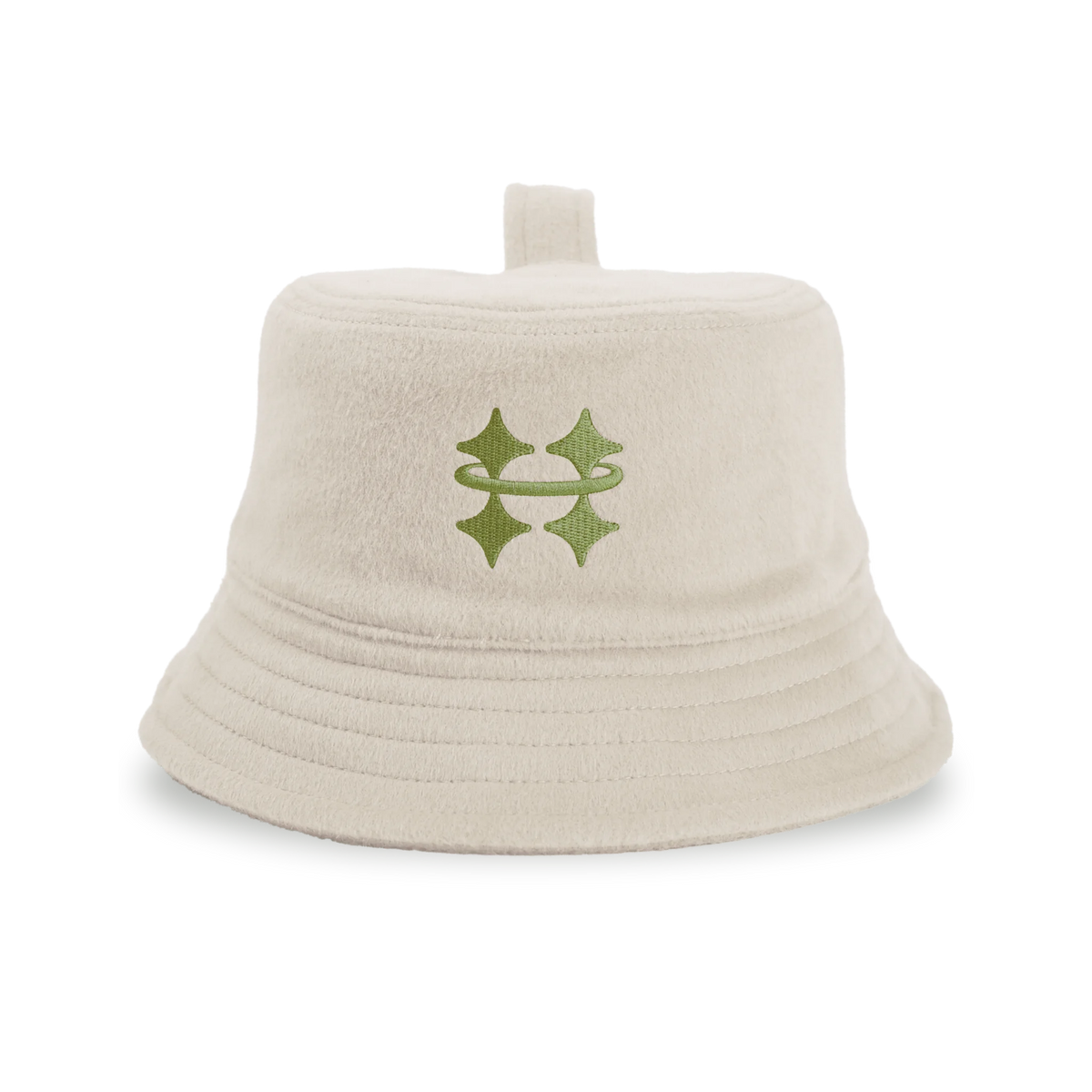
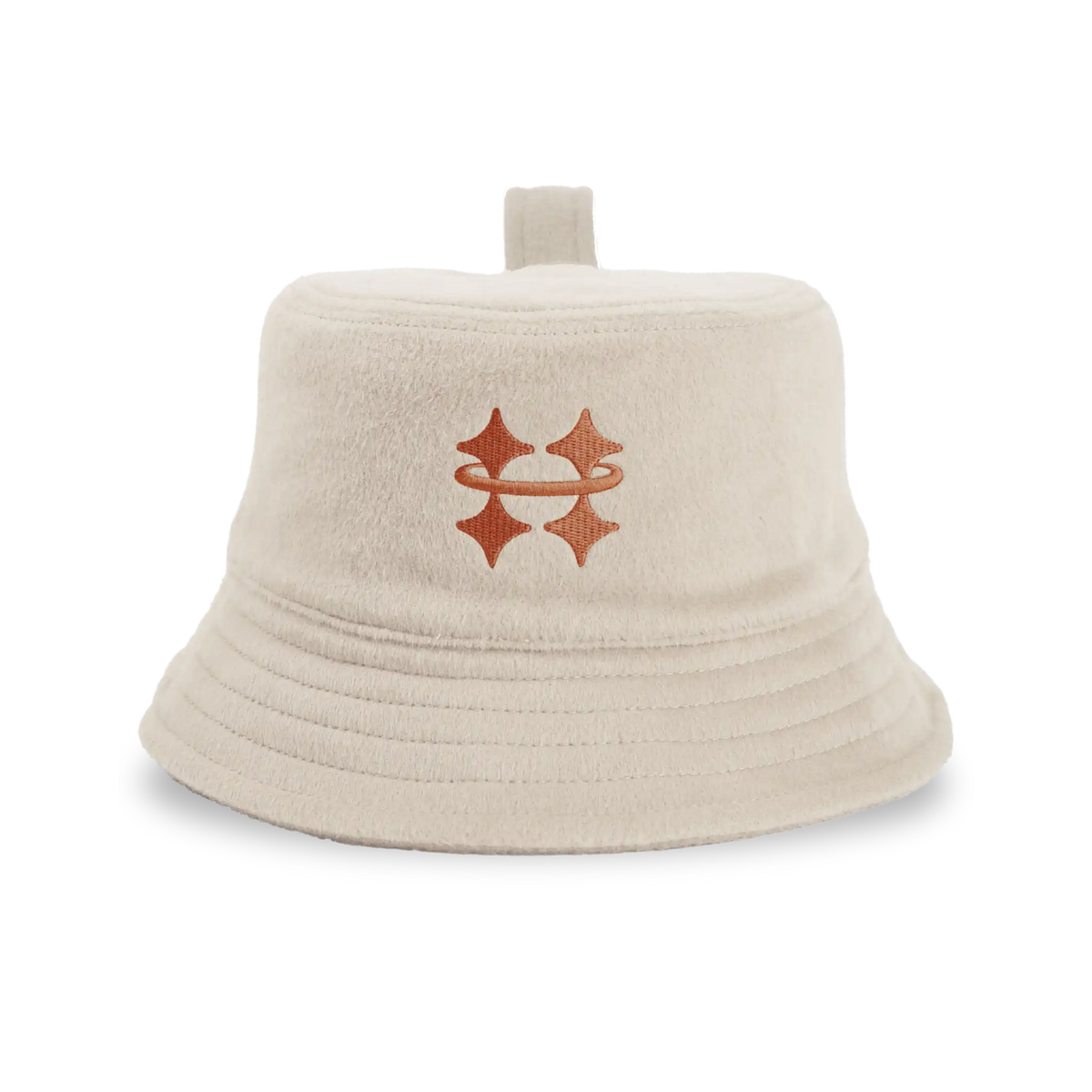


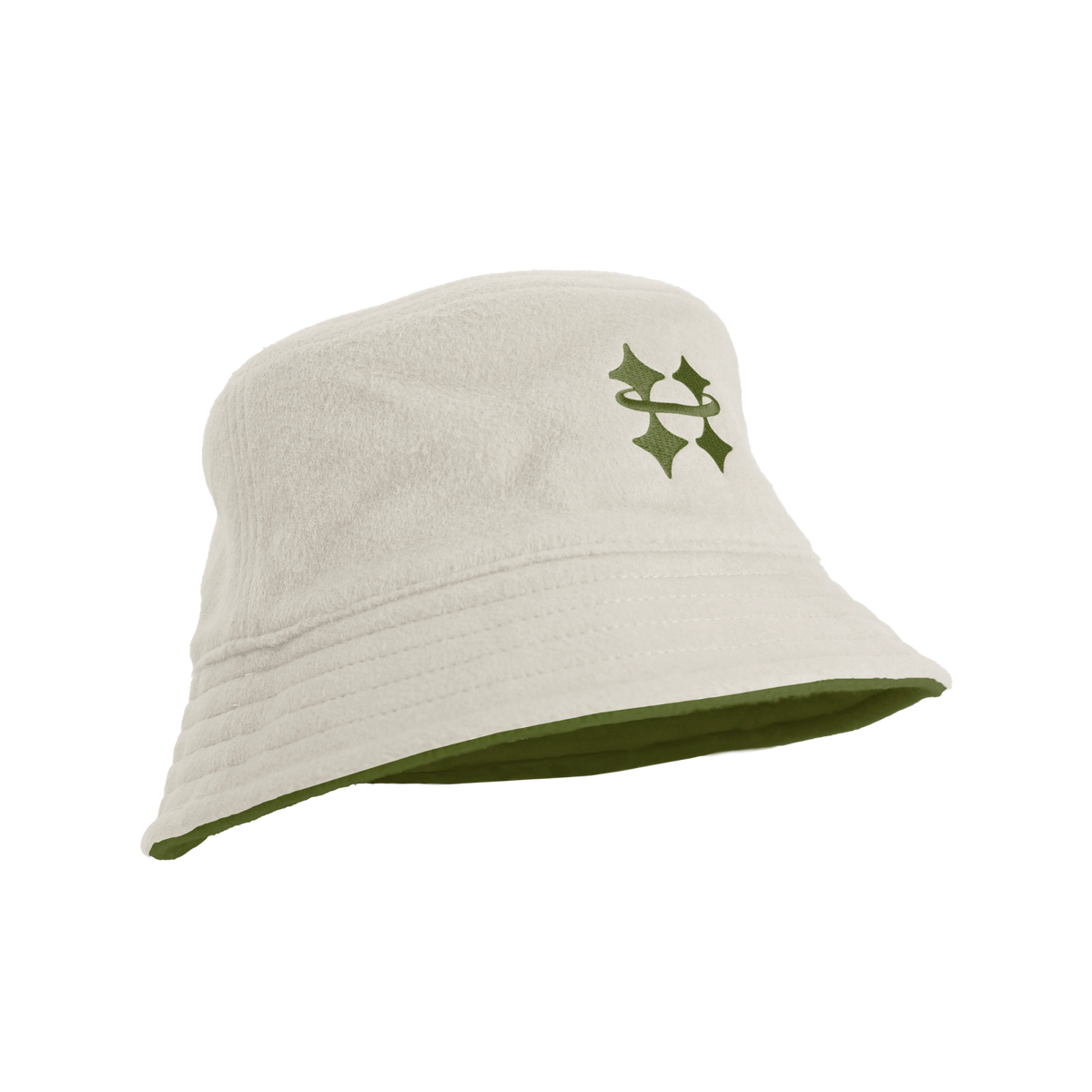
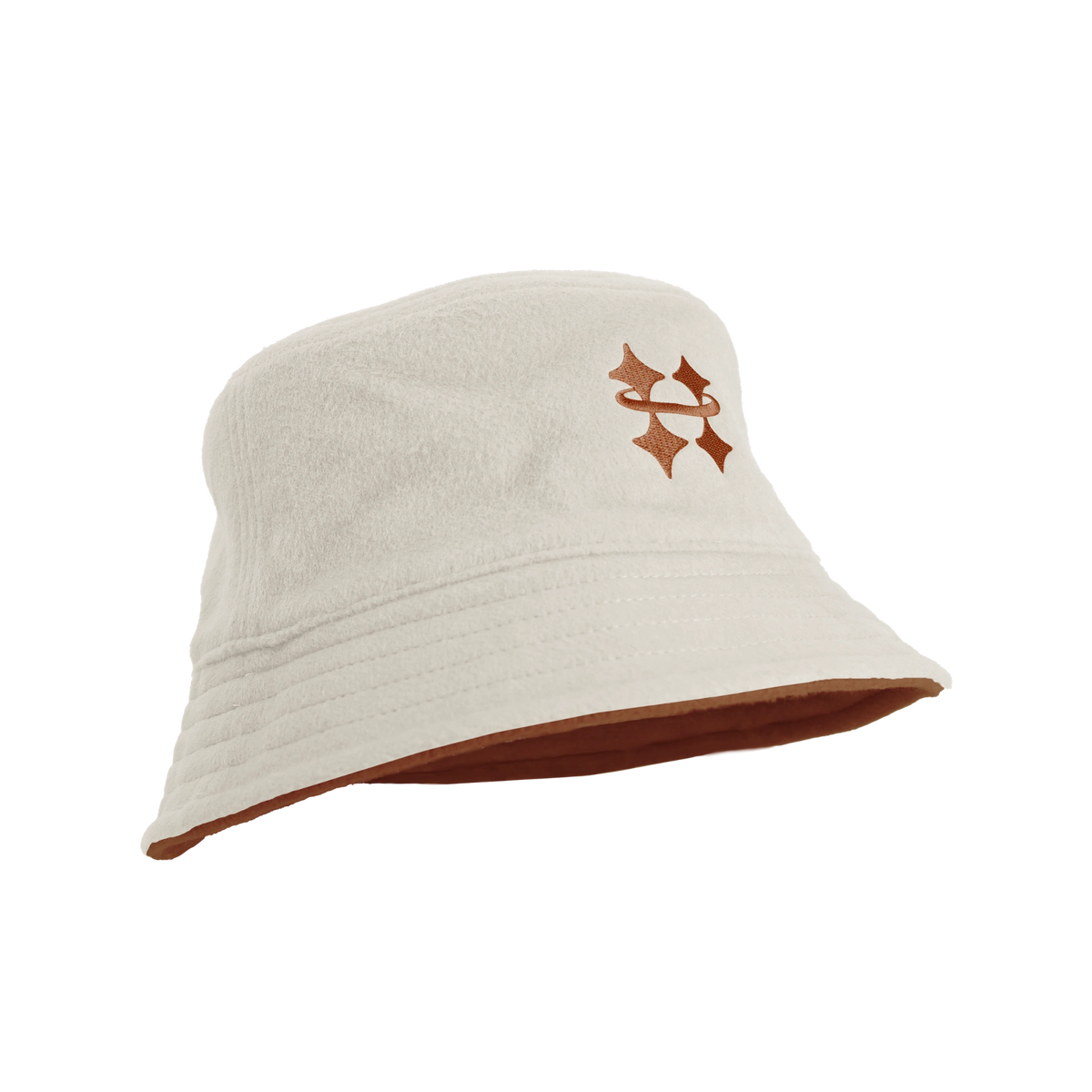




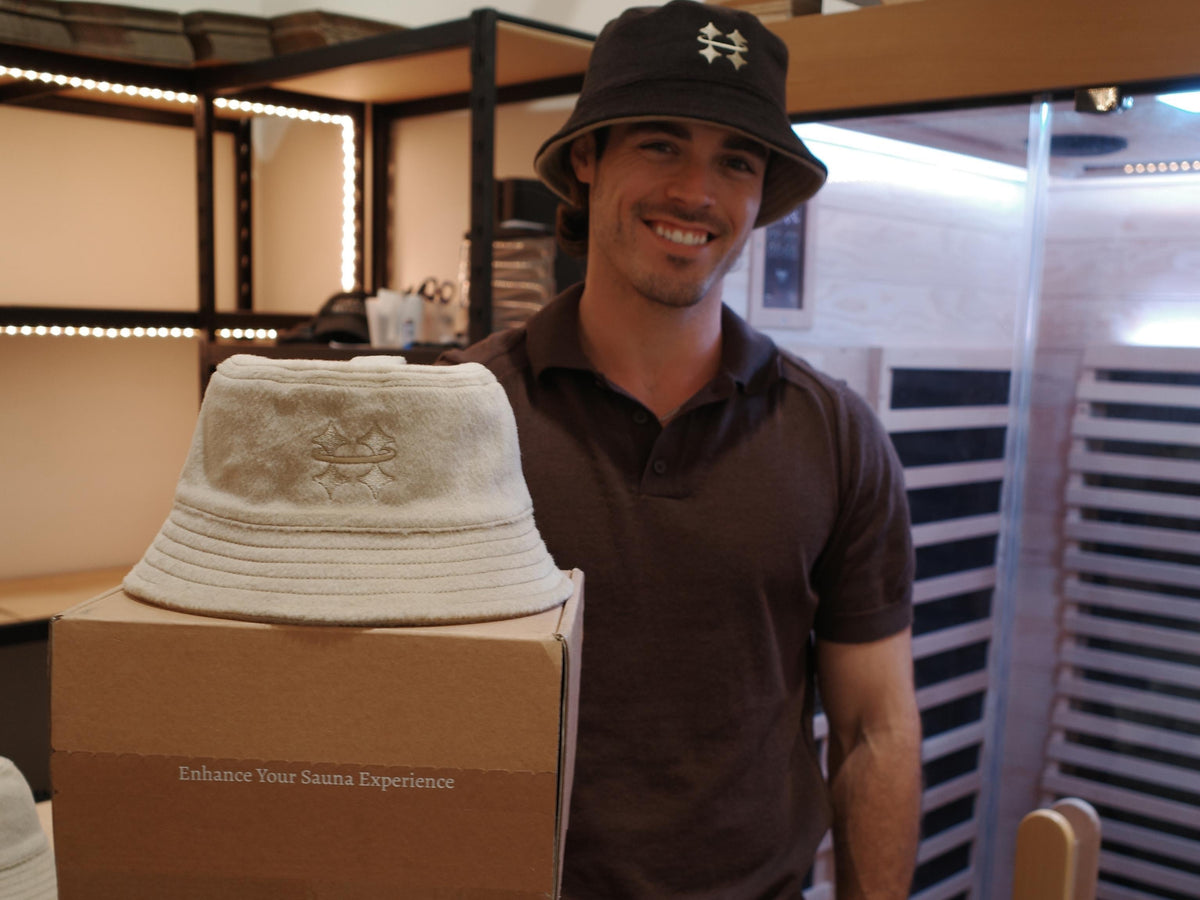
Designed for comfortable, long-lasting sauna sessions. Made from the highest quality Australian wool felt, the Halo sauna hat insulates your head from heat, dries quickly and is naturally antibacterial. No washing required.
Featuring a unique concealable top loop to hang your hat, you can now go from traditional sauna cap to stylish bucket hat in seconds. From sauna (dry & infrared) to beach, or anywhere you can get a sweat on. Just put it on and watch it transform your routine for good.
Leave a comment
This site is protected by hCaptcha and the hCaptcha Privacy Policy and Terms of Service apply.