Wool vs Cotton vs Synthetic Sauna Hats: Which Is Best?
Wool felt is the best material for a sauna hat, and it isn't close. It insulates better than cotton or synthetics, keeps insulating when it's damp, resists odour without washing, and is stable at sauna temperatures. Cotton absorbs sweat and stops working. Synthetics trap heat against your scalp and weren't designed for 90°C air. Here's the case, material by material.
Why the material is the whole product
A sauna hat has one job: slow the transfer of heat from the air to your scalp. That's insulation, and insulation depends on two things. How much still air the material traps, and whether it keeps trapping air when it gets wet. Because it will get wet. You're wearing it in a room where the air is 80 to 100°C at head height [1] and you're sweating from every pore.
So the question isn't "which fabric is nicest". It's "which fabric still insulates ten minutes in, soaked in sweat, at 90°C". Only one does.
Wool felt
Wool fibre has a crimped, scaly structure that traps millions of tiny air pockets. That trapped air is the insulation. Felt is made by matting the fibres together under heat, moisture and pressure until they lock, so felt is dense wool with the air structure preserved. The thermal conductivity of wool sits around 0.04 W/mK, which puts it alongside purpose-made insulation materials [2].
Wool also handles moisture in a way no other common fibre does. It can absorb up to 30% of its own weight in water vapour before it feels wet, and it keeps most of its insulating loft while doing it [3]. In a sauna that means the hat keeps working as you sweat into it.
Then there's hygiene. Wool's keratin structure and natural lanolin make it resistant to odour-causing bacteria [3]. A wool sauna hat that's hung to dry after each session never needs washing. That's not marketing; it's the reason Finnish and Russian bathers have used felt hats for centuries, long before anyone could explain why [4].
Downsides: wool costs more, and quality varies enormously. A 2mm wool hat is still wool but it's barely insulation. Thickness matters as much as fibre, which we get to below.
Cotton
Cotton is comfortable, cheap and useless in a sauna. It absorbs water readily and holds it against your skin, and when cotton is wet its insulating value collapses because water conducts heat around 25 times better than still air [2]. Within a few minutes a cotton hat is a warm, wet compress on your head, doing roughly the opposite of what you bought it for.
Cotton also needs washing after every use, because it holds sweat and has none of wool's antibacterial properties. That's fine for a towel. It's a chore for a hat.
Where cotton earns a place: as a lightweight cap in a mild infrared room, or for someone who reacts to wool. Otherwise, no.
Synthetic and blends
Polyester, acrylic and polyester-wool blends turn up in the cheapest sauna hats, sometimes without the composition on the front of the listing. One Australian brand's $20 "wool" hat is 85% wool and 15% polyester in the fine print [5].
Synthetics are hydrophobic, so they don't absorb sweat. Sounds good, but in practice the sweat sits between the hat and your scalp with nowhere to go, and the fibres themselves trap heat rather than buffering it. Synthetic fleece is warm on a mountain because your body heat is the heat source. In a sauna the air is the heat source, and a material that holds heat close to your head is working against you.
There's also a materials question. Polyester softens around 250°C, so it won't melt in a sauna, but it isn't a fibre designed for repeated 90°C wet-heat cycles and it will off-gas faintly when new. Wool is a protein that's been through hot, wet conditions on a sheep's back. It's the right tool.
Blends get you the worst of both: less insulation than pure wool, and a synthetic component that changes how the felt behaves when wet.
Thickness and layers matter as much as fibre
This is the part most buying guides skip. Insulation scales with thickness. Two hats made of identical wool felt, one 3mm and one 7mm, are not slightly different. The thicker one holds roughly twice the still air, and that's the whole mechanism.
The traditional standard is around 4mm single-layer felt. Some brands publish that figure, most don't. When a brand doesn't state thickness, the honest assumption is that the number wouldn't help them.
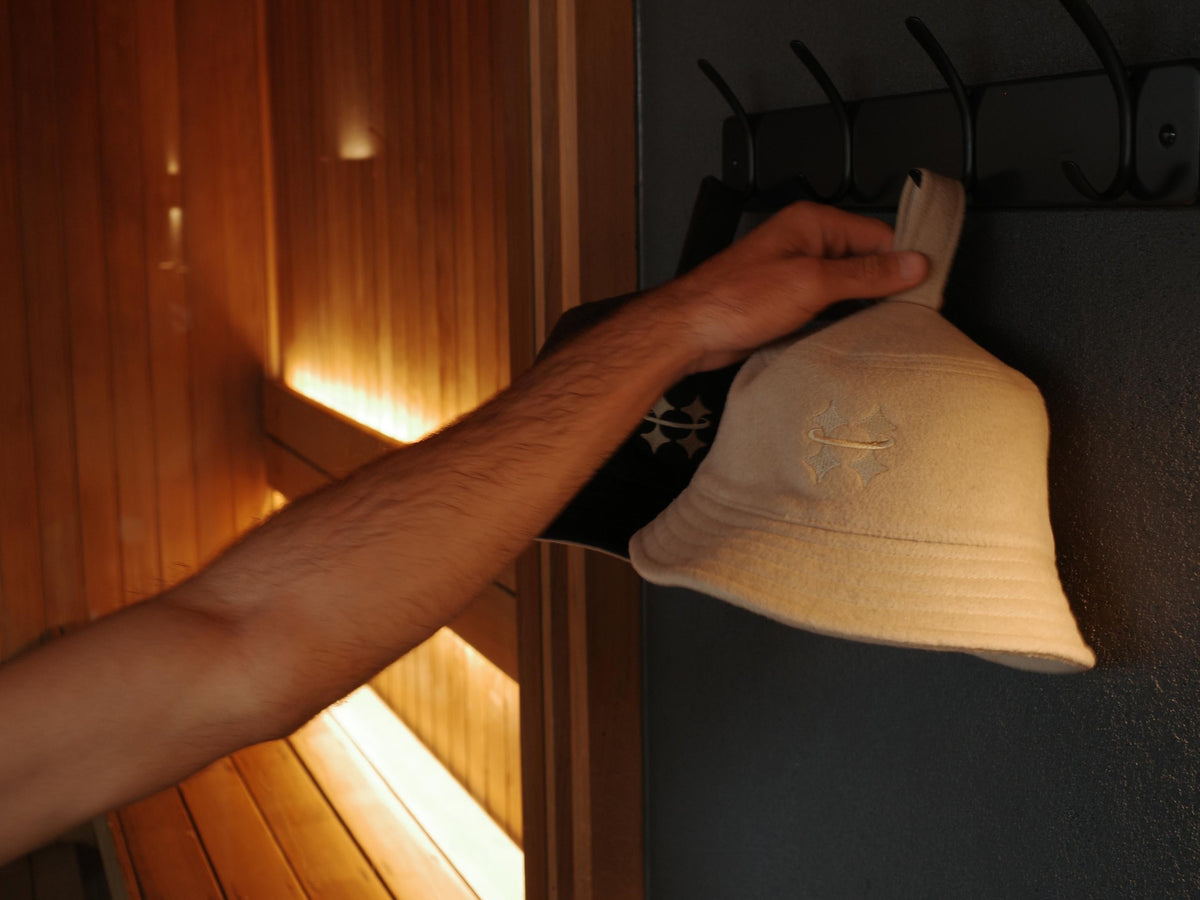
The Halo sauna hat is built as two layers of 600 GSM Australian wool felt for a 7mm total. In our own test, ten minutes into a 90°C session, a thermal camera read 56°C on a bare scalp and 24°C under the Halo. We haven't measured competitors' hats under the same conditions, so we won't claim a comparison figure. We can say that thickness is why the gap is what it is.
The comparison at a glance
| Wool felt | Cotton | Synthetic / blend | |
|---|---|---|---|
| Insulation dry | High | Low to medium | Medium |
| Insulation wet | High | Collapses | Medium, traps heat |
| Moisture handling | Absorbs vapour, stays dry-feeling | Soaks, stays wet | Sweat sits on scalp |
| Odour and hygiene | Naturally resistant, no washing | Wash every use | Holds odour, wash often |
| Stability at 90°C | Excellent | Fine | Fine, not designed for it |
| Durability | Years | Months | Varies |
| Cost | Highest | Low | Lowest |
What we use and why
100% Australian wool, felted to 600 GSM, two layers, 7mm. Hand-sewn closed brim so the layers stay locked. A concealed loop so it hangs and dries between sessions. No blend, no synthetic lining, nothing that stops working when it gets wet.
If you want the material argument settled in one line: buy wool, buy thick, buy once. Read how to care for a wool sauna hat for the two rules that make it last, or see our full comparison of sauna hats sold in Australia.
Sources
- Hannuksela ML, Ellahham S. Benefits and risks of sauna bathing. American Journal of Medicine. 2001;110(2):118-126.
- Engineering ToolBox. Thermal conductivity of common materials and gases. engineeringtoolbox.com. (Wool and felt approximately 0.04 W/mK; water approximately 0.6 W/mK; still air approximately 0.026 W/mK.)
- The Woolmark Company. The science of wool: moisture management, odour resistance and thermal regulation. woolmark.com.
- Finnish Sauna Society (Suomen Saunaseura). Sauna traditions and accessories. sauna.fi.
- Lucky Sauna Hats. Traditional Wool Sauna Hat product listing, composition 85% wool, 15% polyester. luckysaunahats.com, accessed September 2026.
Written by Liam Connors, founder of Halo. About Halo.
Featured product
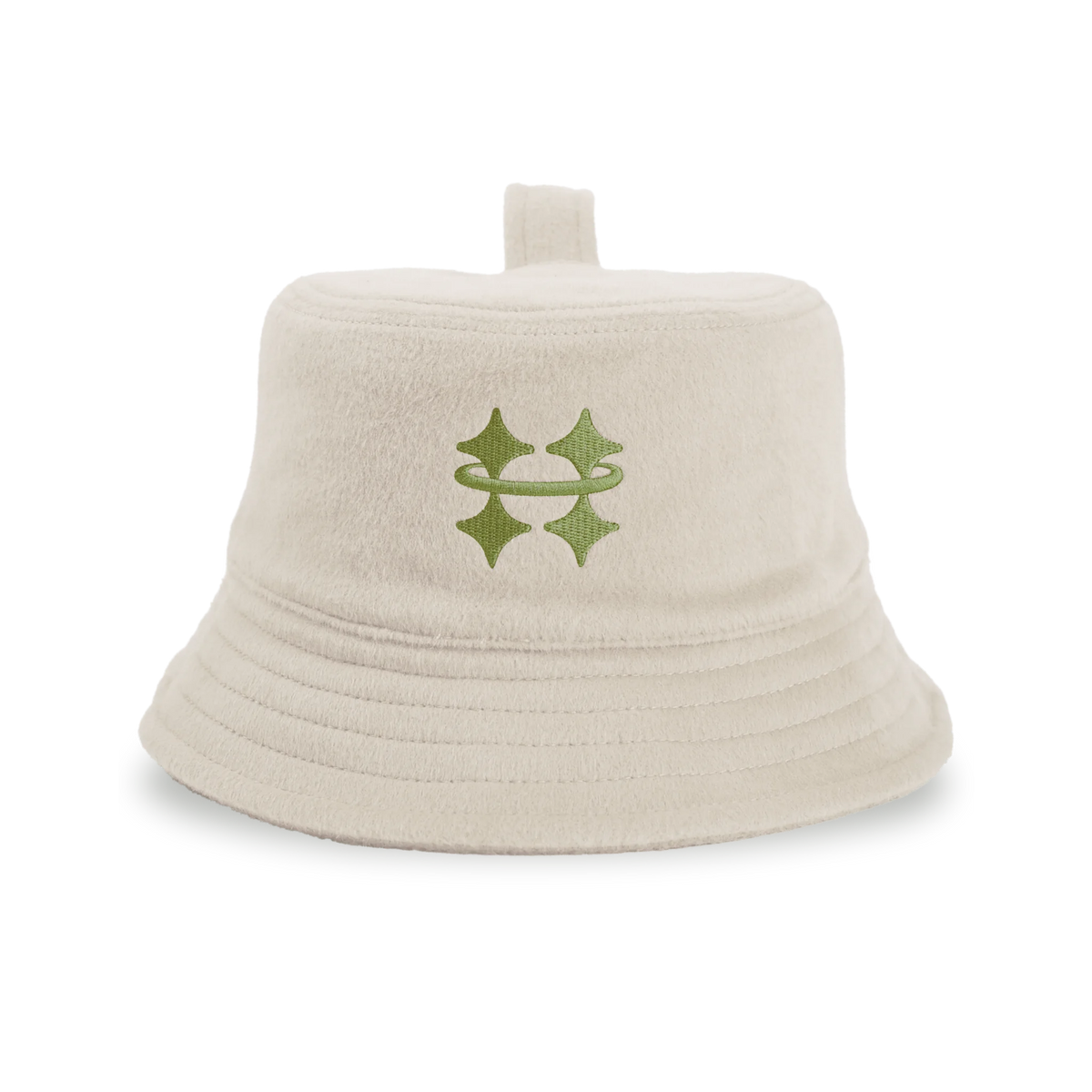
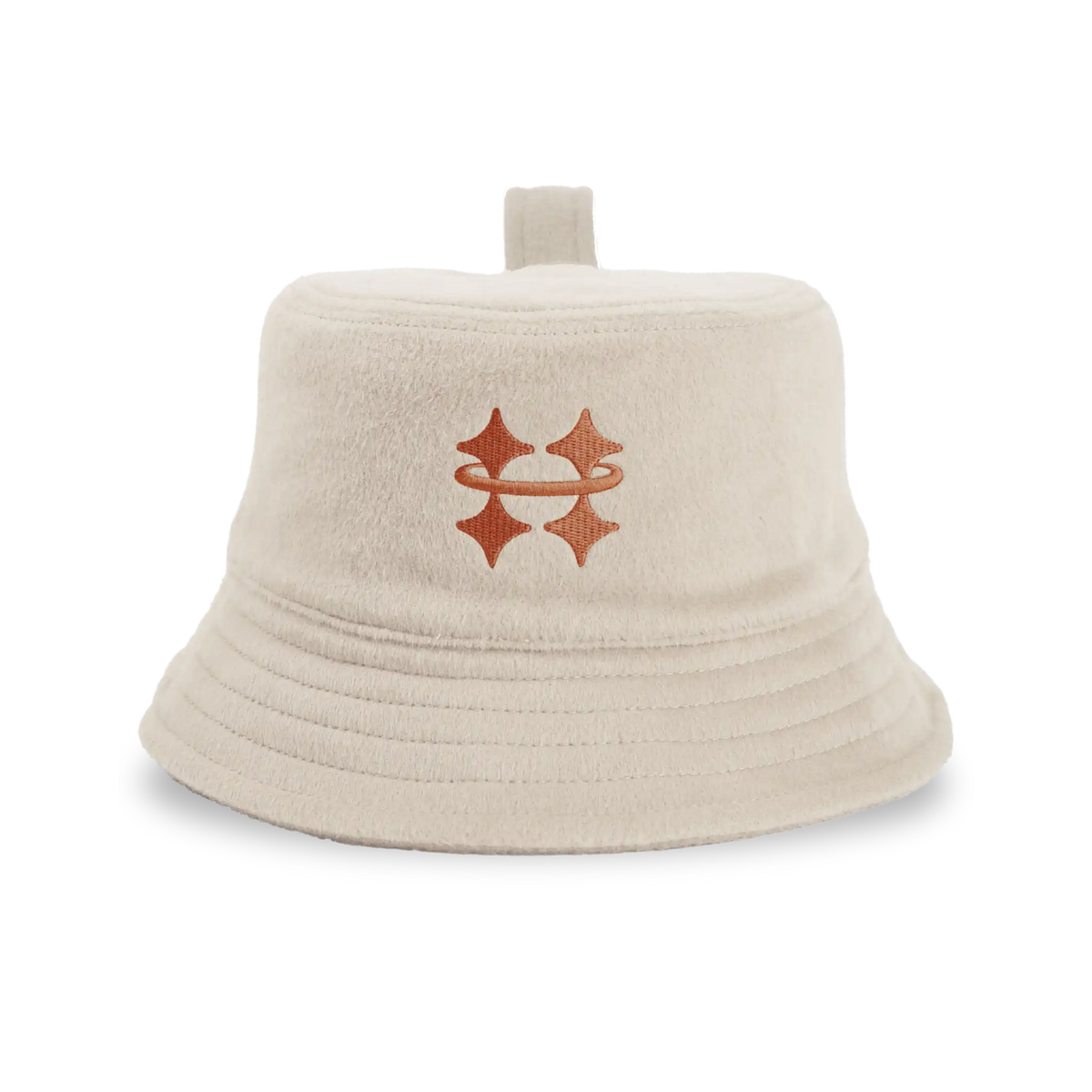


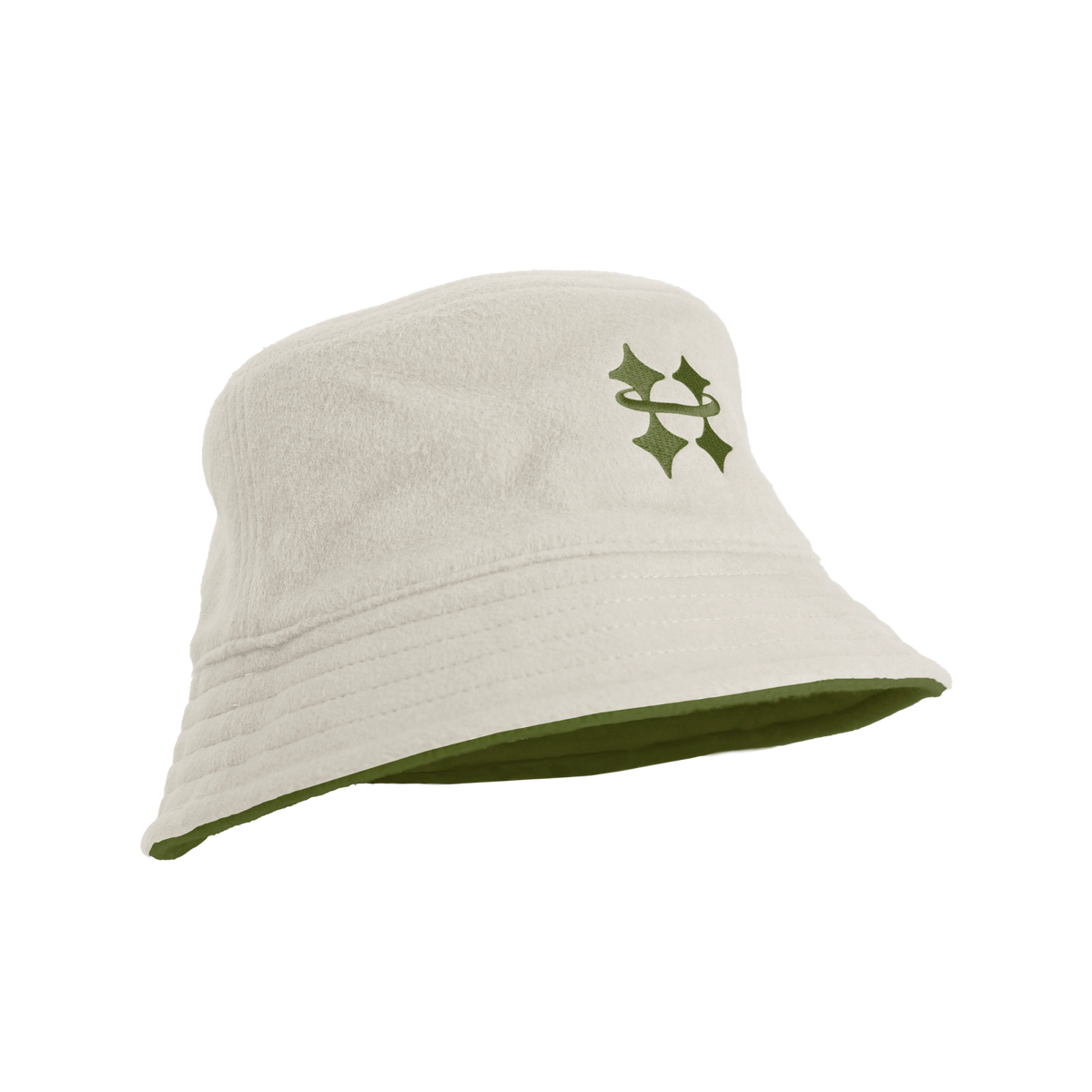
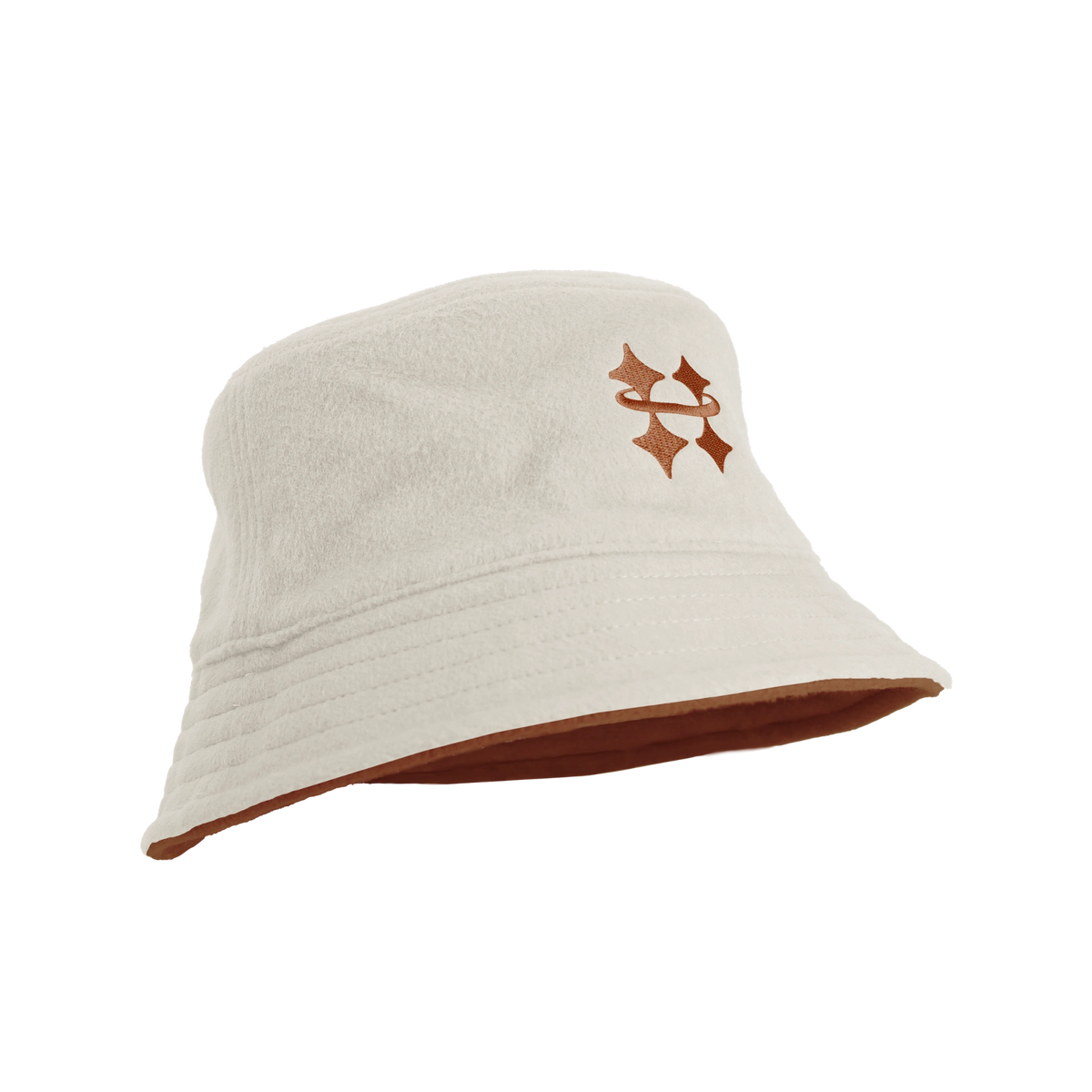
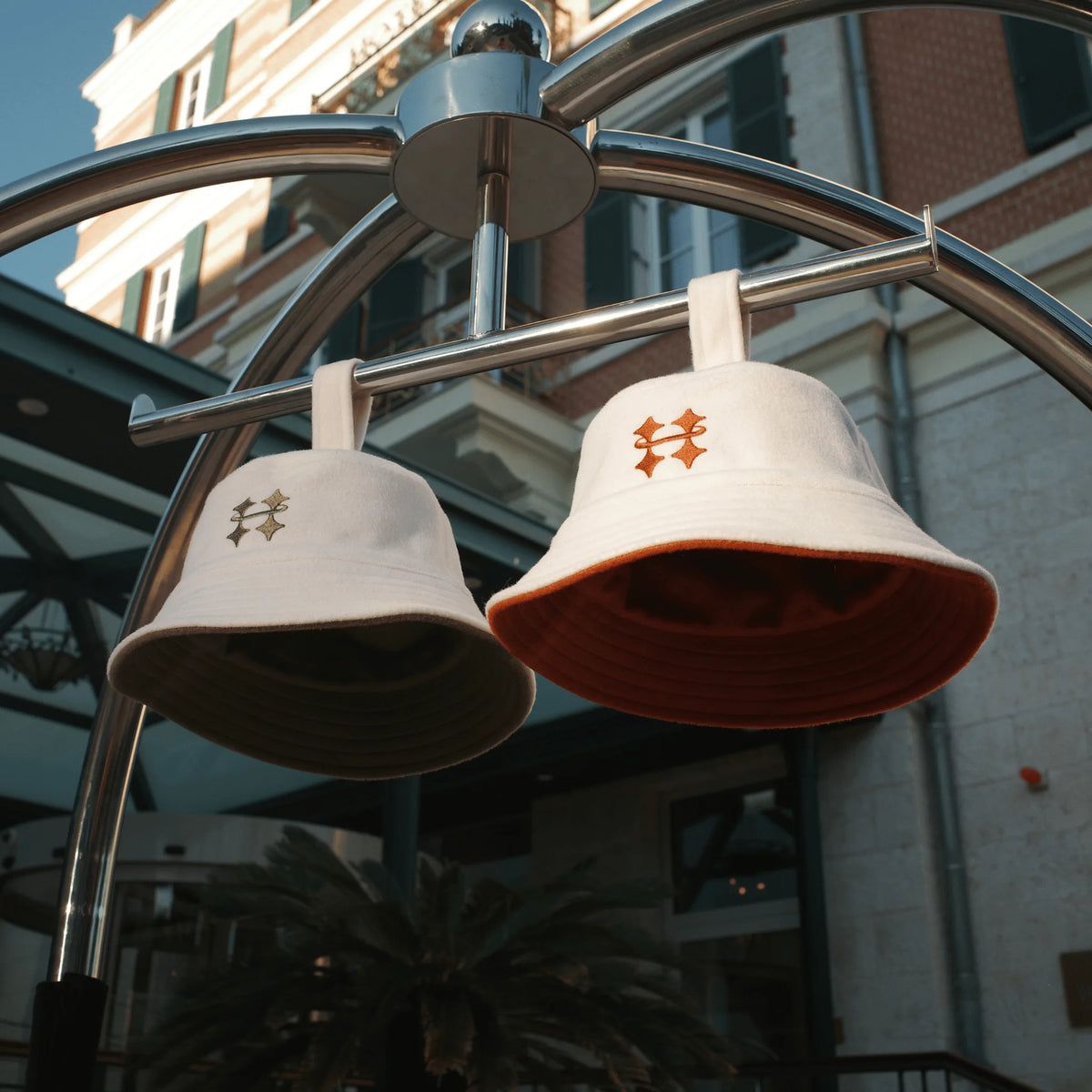

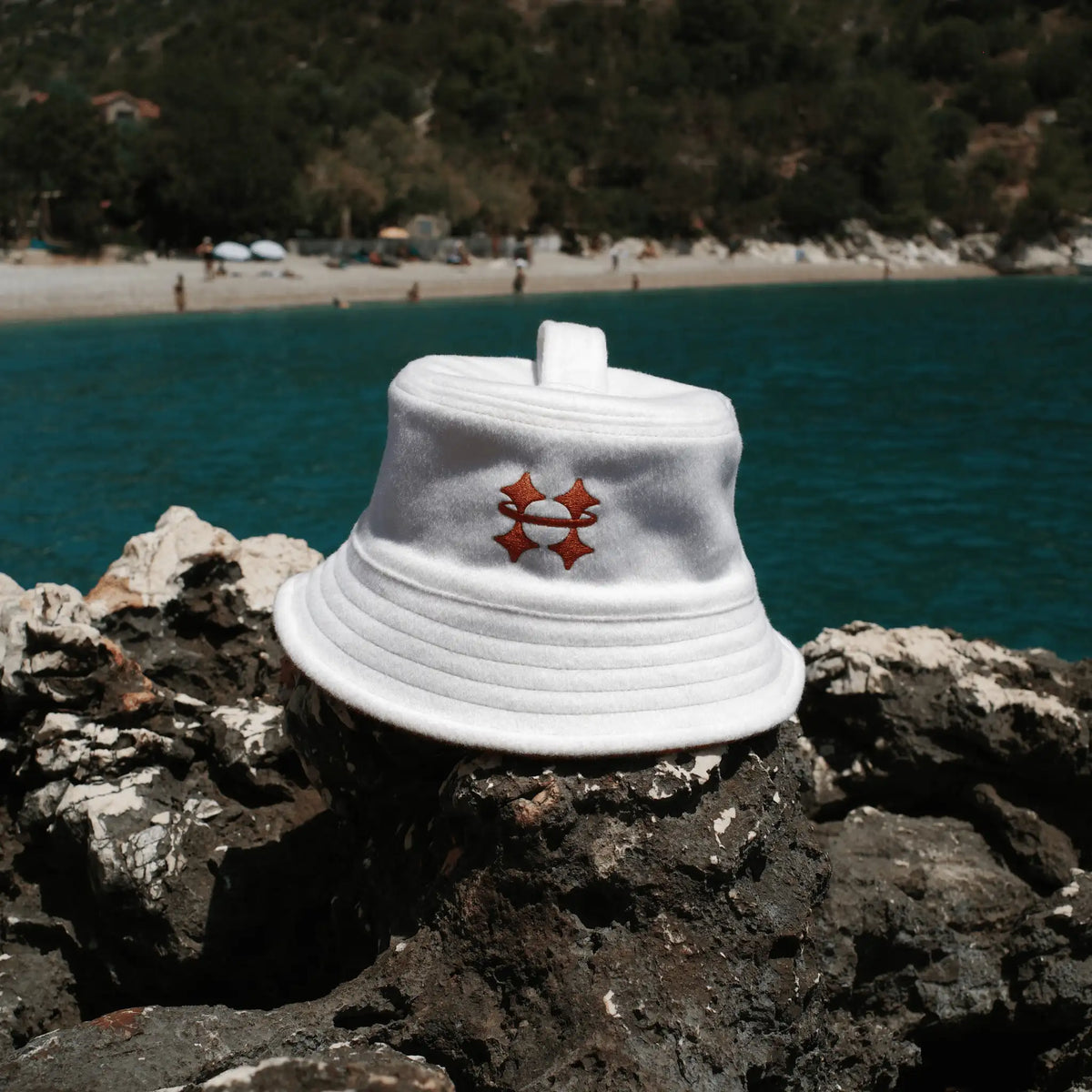

Designed for comfortable, long-lasting sauna sessions. Made from the highest quality Australian wool felt, the Halo sauna hat insulates your head from heat, dries quickly and is naturally antibacterial. No washing required.
Featuring a unique concealable top loop to hang your hat, you can now go from traditional sauna cap to stylish bucket hat in seconds. From sauna (dry & infrared) to beach, or anywhere you can get a sweat on. Just put it on and watch it transform your routine for good.

Leave a comment
This site is protected by hCaptcha and the hCaptcha Privacy Policy and Terms of Service apply.